
Maria Kokkori
Associate research professor of electrical and computer science
Findings will be presented during a Feb. 14 panel at the AAAS annual meeting
EVANSTON, Ill. — With their blazing turquoise, cobalt and sapphire feathers, kingfishers have inspired art, design and poetry for more than a millennium.
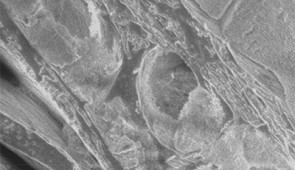
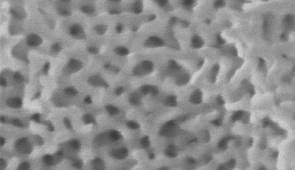
Using synchrotron X-ray methodologies and nanotechnology-based analytical methods, Northwestern University scientists uncovered how nanoscale, spongy architectures — rather than pigments — within the feathers give rise to these birds’ vibrant colors.
Northwestern’s Maria Kokkori will discuss this work during a panel discussion at the American Association for the Advancement of Science (AAAS) annual meeting in Phoenix. “Nature’s Nanotech: Structural Color in Chinese Featherworks” will take place at 4 p.m. MST on Saturday, Feb. 14 as part of a panel titled “Lost Colors Found: How Science is Retelling History.”
Members of the press can register to attend here.
“Long admired in Chinese poetry and art, kingfisher feathers have amazing optical properties,” Kokkori said. “Our discoveries not only enhance our understanding of historical materials but also reshape how we think about artistic and scientific innovation, and the future of sustainable materials.”
Kokkori is an associate research professor of electrical and computer science at Northwestern’s McCormick School of Engineering and senior scientist at the Center for Scientific Studies in the Arts, a collaboration between Northwestern and the Art Institute of Chicago.
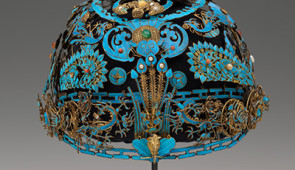
As part of the talk, Kokkori will explore the remarkable optical properties of kingfisher feathers and their long history in art. In Qing China, artisans incorporated iridescent kingfisher feathers into decorative works using the tian-tsui technique. By cutting and carefully orienting feather fragments to preserve and enhance their interaction with light, artists intensified the feathers’ dazzling blue hues — exploiting complex optical effects centuries before science could explain them.
Kokkori’s talk also will explore how advanced tools revealed the feathers’ nanostructures in unprecedented detail and share how this structure could be recreated in bioinspired materials.
Associate research professor of electrical and computer science